
Numbers tell you a renovation worked. They do not tell you what it felt like to walk back in. Here is the part of a home transformation that photographs least and matters most.
When people come to us, they rarely start by describing a design problem. They describe a feeling. The living room no one relaxes in. The kitchen that never quite works for the way the family actually cooks. The house that looks perfectly fine in photographs, yet somehow keeps everyone in separate rooms. Almost every transformation begins not with what is wrong, but with how a home makes the people in it feel.
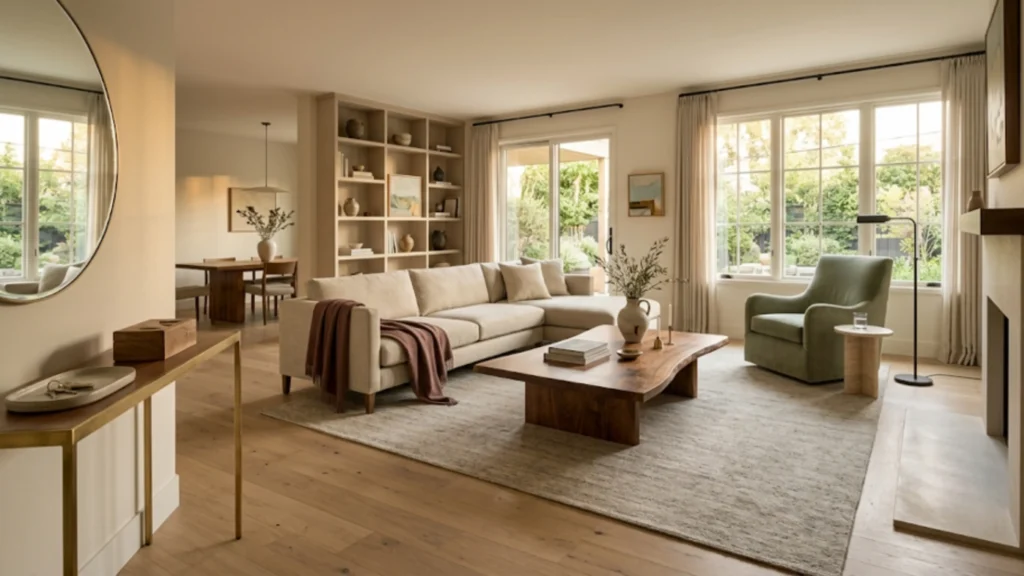
That is worth pausing on, because it changes what a transformation is really for. People rarely call us because a room is unattractive. They call because the way they live in it has quietly stopped working, and they cannot quite name why. Our job is to find the why, and design it out.
The brief beneath the brief
On paper, a brief usually sounds practical. Refresh the living and dining areas. Open up the kitchen. Bring in more light. Beneath that, though, there is almost always a deeper intention: to draw a family back into one room at the end of the day, to make a home feel calm rather than chaotic, to create the kind of space people actually want to spend time in. We listen for that second brief, and let the finishes serve it. When the feeling is right, the details have something to hold on to.
What we change, and what we keep
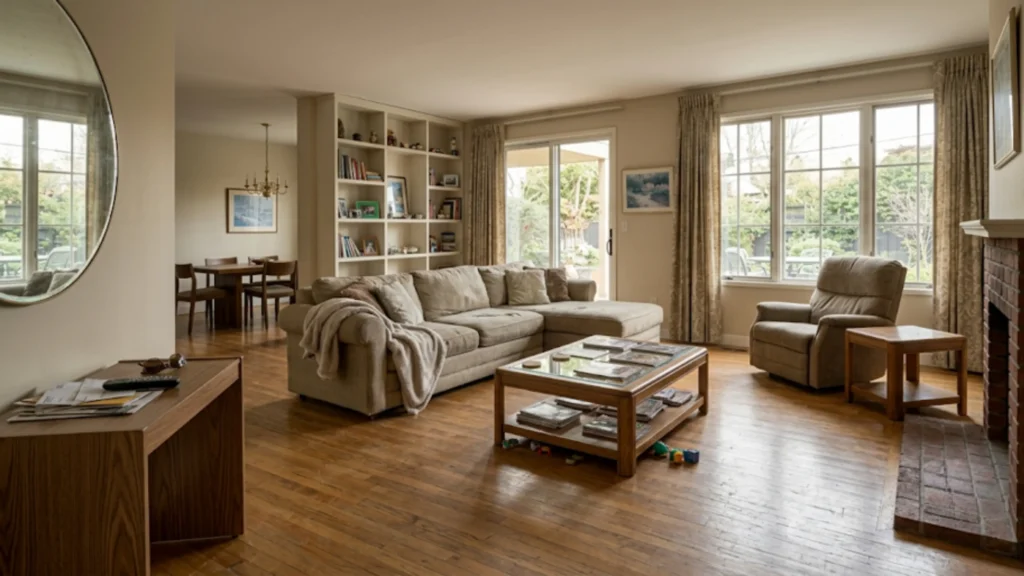
Good transformation is as much about restraint as it is about intervention. The instinct to strip a home back to nothing and start again is usually the wrong one. More often, the best version of a home is already partly there, waiting to be uncovered. So the decisive moves tend to be few and deliberate: removing a wall so light and conversation can travel, reorienting a space toward the afternoon sun, carrying one material through the ground floor so the home reads as a whole rather than a series of rooms. Just as important is what stays. Original timber floors, honest proportions, the small pieces of character that give a home its soul. Knowing what to keep is often the difference between a renovation that feels new and one that feels right. The aim is to edit, not to erase.
Before and after is only half the story
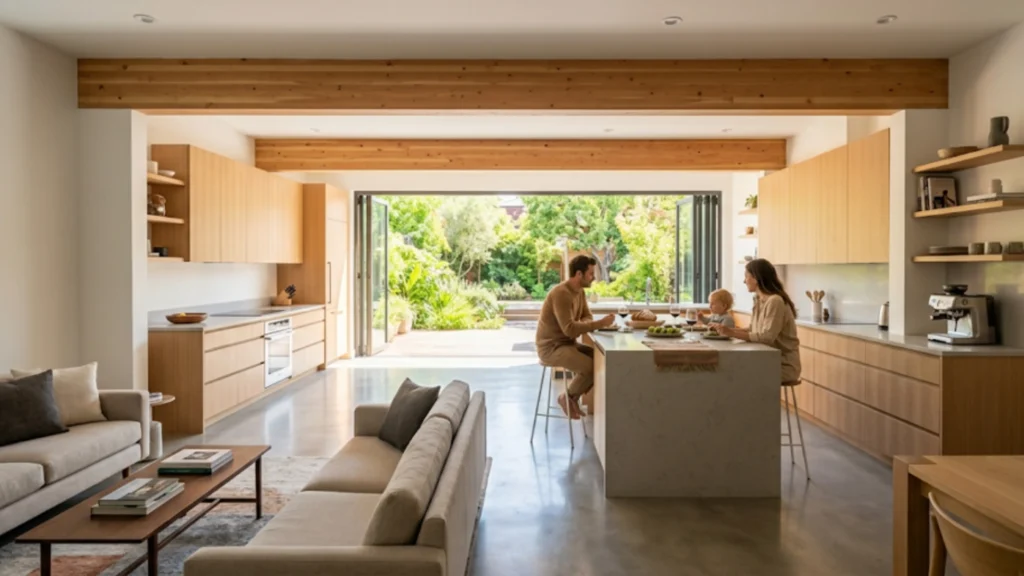
Before-and-after images are satisfying, and there is a good reason we all love them. A single frame can capture years of quiet frustration finally resolved. But the photograph only ever tells half the story, because the most important change is one a camera cannot see. It is the shift from a house you move through to a home you settle into. The other half lives in how the space is used once the dust has cleared. The corner that becomes someone’s favourite reading spot. The kitchen island where the family now gathers without anyone planning it. The back door that stands open on a Saturday morning because inside and outside finally belong to one another. That is the real result, and it reveals itself slowly, in the ordinary rhythm of living.
The value that shows, and the value that does not
There is a financial dimension too, and we never pretend otherwise. A home designed around light, flow and quality materials is more comfortable every single day, and that daily comfort is the real return. It also tends to hold and grow its value, because considered design reads as care to the next person who walks through, something that matters in a market like Cape Town’s.
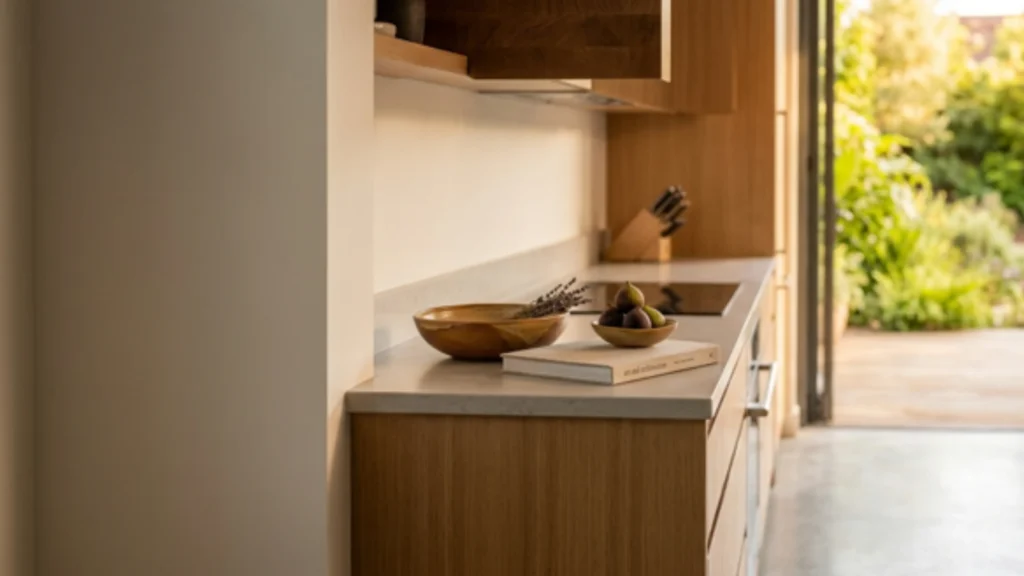
Yet ask anyone who has lived through a transformation like this, and the value they name first is rarely the number. It is the Saturday morning that no longer ends with wishing they were somewhere else. Good design pays you back twice: once in how your home lives now, and again in what it is worth later. Most people are surprised by how much the first return matters. That is what we mean when we say we do not just design interiors. We shape the way a home feels to live in, and then we let the years fill it. If your home has stopped working the way it should, or simply never quite did, that is exactly the conversation we would love to have.