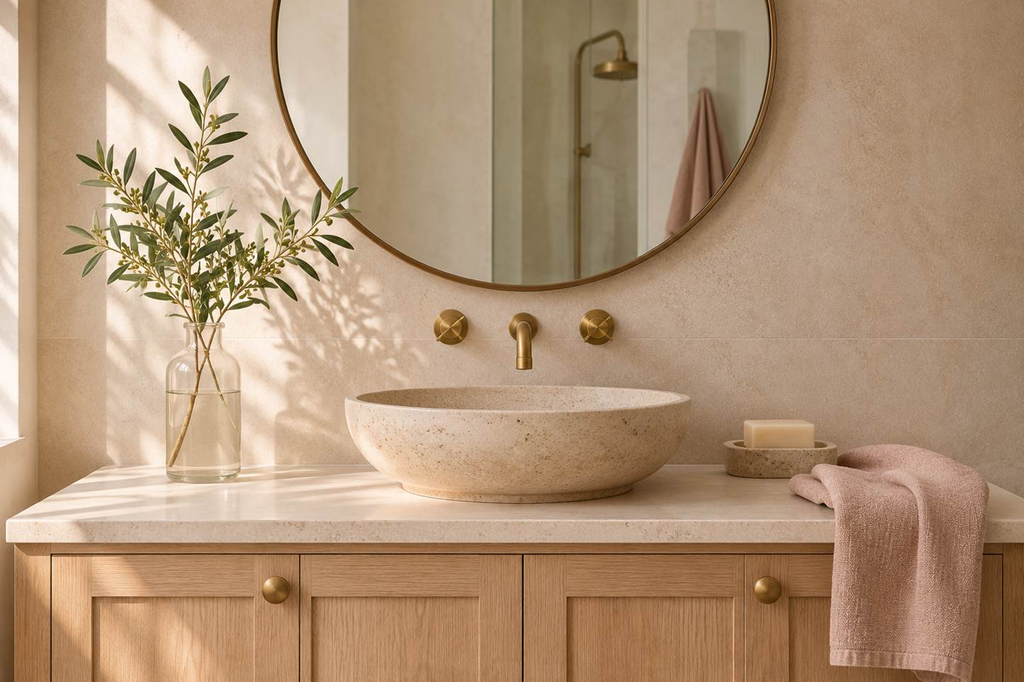
You look at your kitchen. But your hand touches its hardware dozens of times a day.
Opening the pantry before breakfast. Reaching for a glass. Closing a drawer with your hip because your hands are full. Cabinet hardware is the part of a kitchen you live with most closely, and the part most people choose last, often in a hurry, from a catalogue page.
In our projects, it’s one of the first details we ask clients to hold. Here’s how we think about it.
Start with the hand, not the catalogue
A pull can look refined in a photograph and feel thin and sharp in the palm. Another can look plain and feel wonderful: solid, cool, perfectly weighted.
So we start with touch. Before we commit, we look at three things:
Weight. Solid metal feels reassuring. Hollow hardware feels temporary, even when it looks the same.
Temperature. Metal is cool to the touch, timber and leather are warm. Think about the rooms where that matters, like a bathroom on a winter morning.
Grip. Your fingers should find the pull without searching. Edges should be eased, never sharp.
If you can, order samples. Live with them on the counter for a few days. The right one usually becomes obvious.
Knobs, pulls or integrated
A simple guide we return to often: knobs on doors, pulls on drawers.
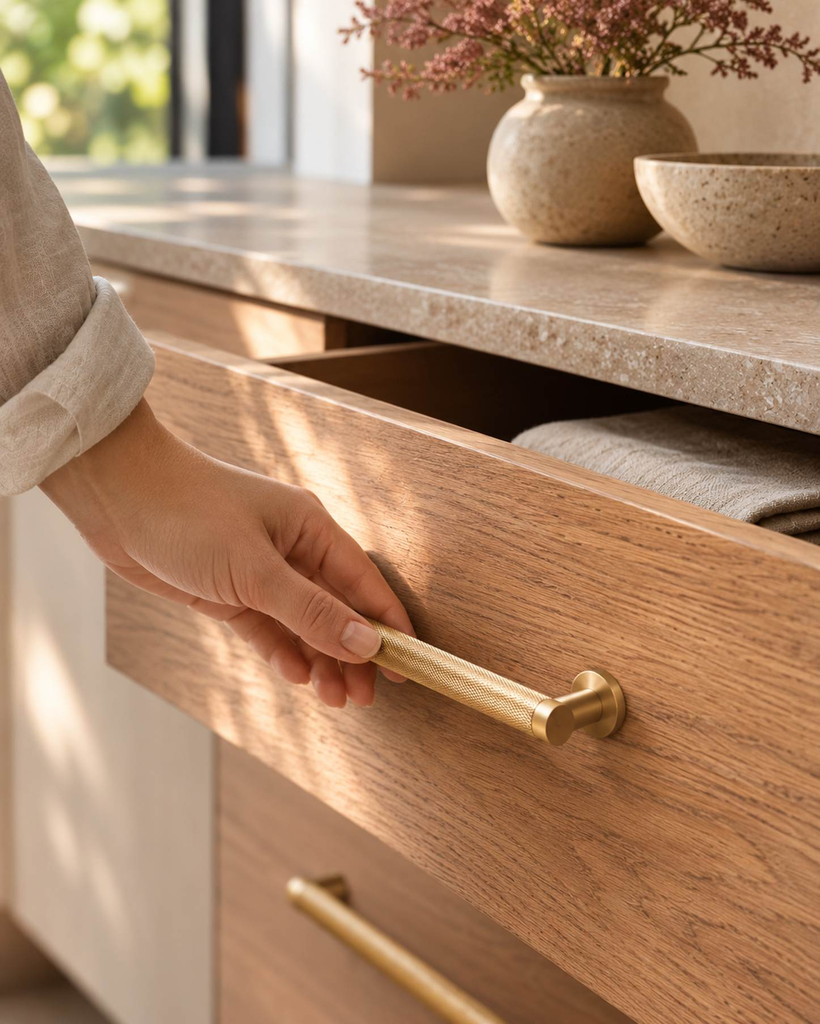
A knob suits a door because you only need a fingertip to swing it open. A drawer, especially a deep one full of pots, needs something you can pull with your whole hand.
Integrated finger pulls, routed into the joinery itself, work beautifully on long, calm runs of cabinetry where you want the timber or paint finish to lead. They are quieter, but they ask more of the joinery, so they work best when the cabinetry is made with care.
Scale and placement
Hardware that is too small looks like an afterthought. Too large, and it starts competing with the room.
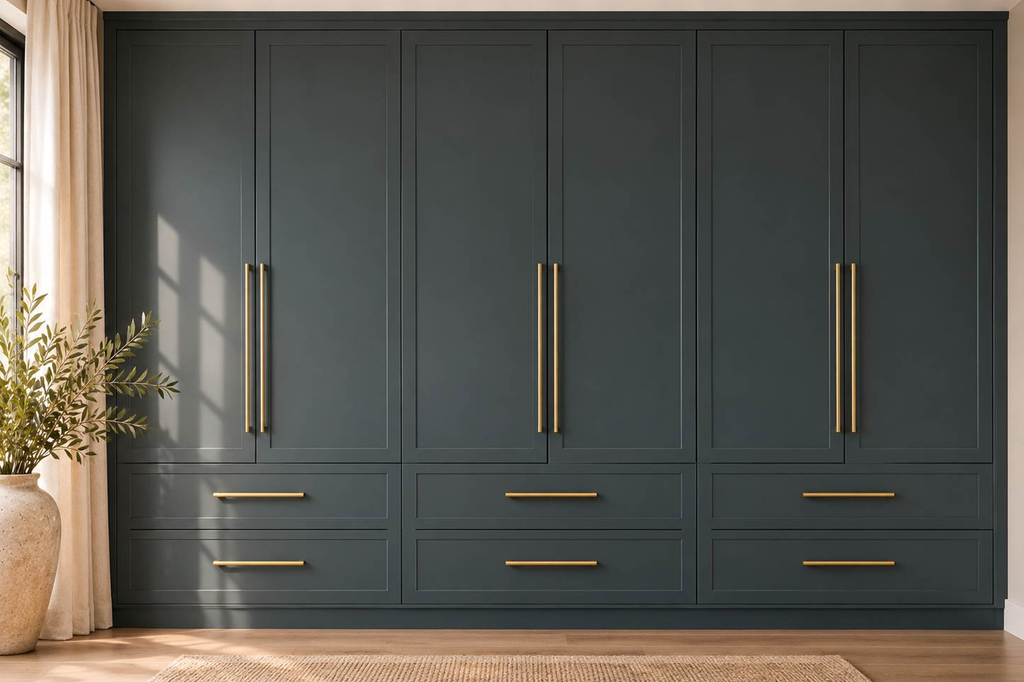
As a starting point, we size a drawer pull at roughly a third of the drawer’s width, then adjust by eye. Wide drawers often look better with two pulls than with one long bar.
Placement matters just as much as size. Keep centre lines consistent along a run, so every pull sits on the same invisible line. On tall doors, set handles at a height that feels natural for the people who live there. These small alignments are what make a kitchen look calm, even when you can’t say why.
Finishes that age well
Some finishes look their best on the day they are installed. Others get better with time.
Unlacquered brass, brushed nickel and bronze soften with use. They pick up the gentle marks of daily life and develop a patina that feels warm rather than worn. Coated finishes stay unchanged for longer, but when they do wear, it often shows as chips rather than character.
Choose your finish for year ten, not day one.
Mixing metals with intention
You don’t need every metal in a room to match. But you do need a plan.
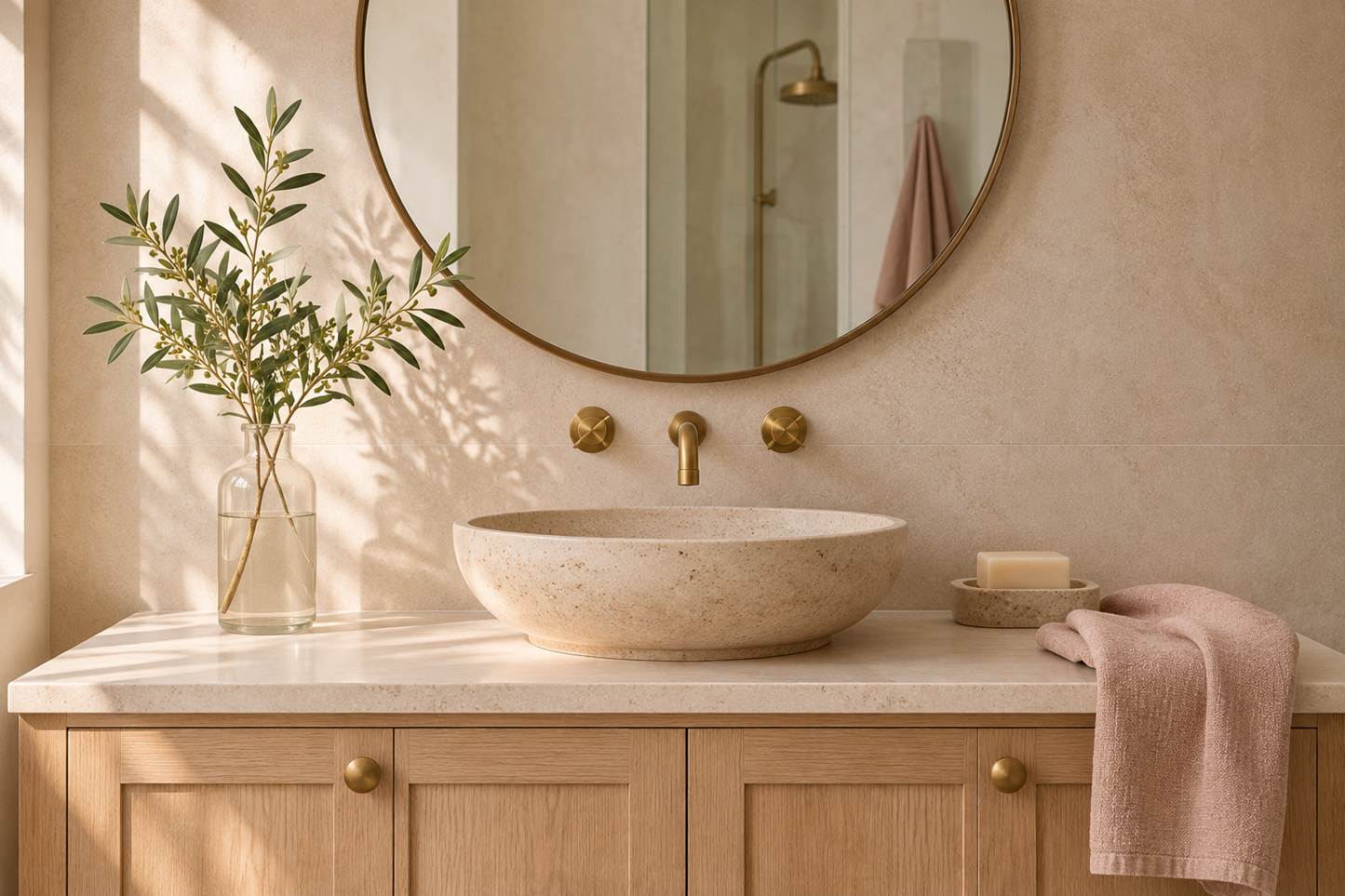
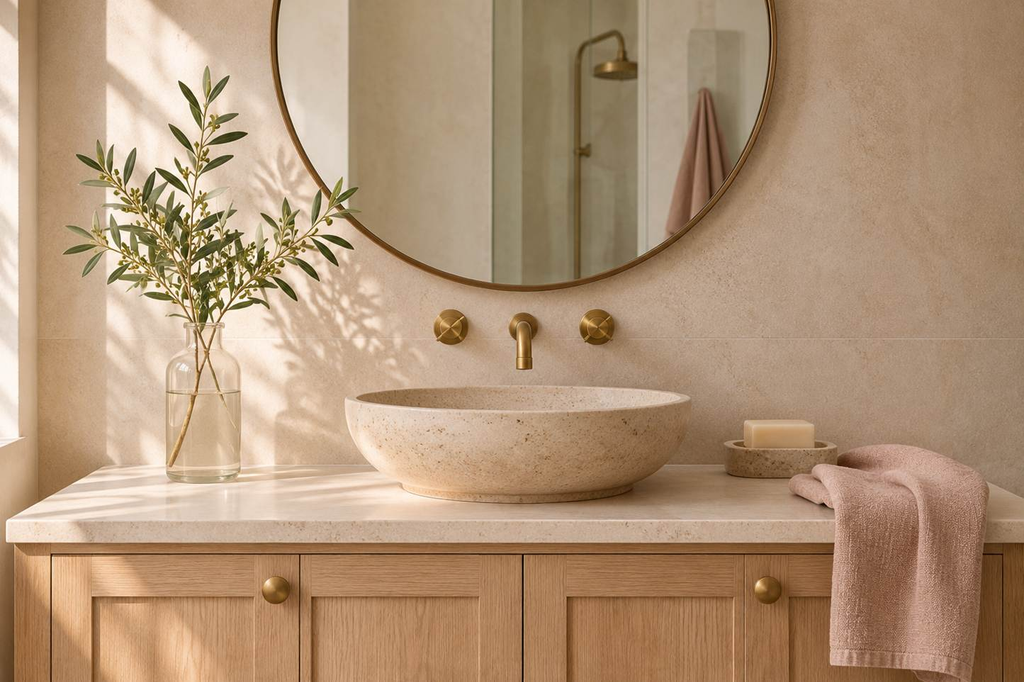
Let one finish lead and one support. If the cabinet hardware is brass, the tap might be brass too, with a darker bronze in a mirror frame or light fitting. Tie the choices back to each other so the room reads as one decision, not a collection of separate ones.
Good hardware feels inevitable. You barely notice it, except that every time you reach for it, it feels right.
It’s a small decision. But it’s one you’ll touch every day for years.
| For more design decisions, explained, follow me on Instagram at @kpd.designstudio. |