
Our founder, Julie Chrisopoulos, on the part of design that instruments cannot measure: energy, flow, and why some homes feel as though they are holding their breath.
I trained as an architect. I can talk for hours about load paths, thermal mass and the way a building should be turned toward the sun. But the question clients ask me most often has nothing to do with any of that. They walk through a space and say, “Why does this room feel heavy?” or “Why do I never sit in here?” There is no line on a drawing for that feeling. And yet it is completely real, and over the years I have learned to take it seriously.
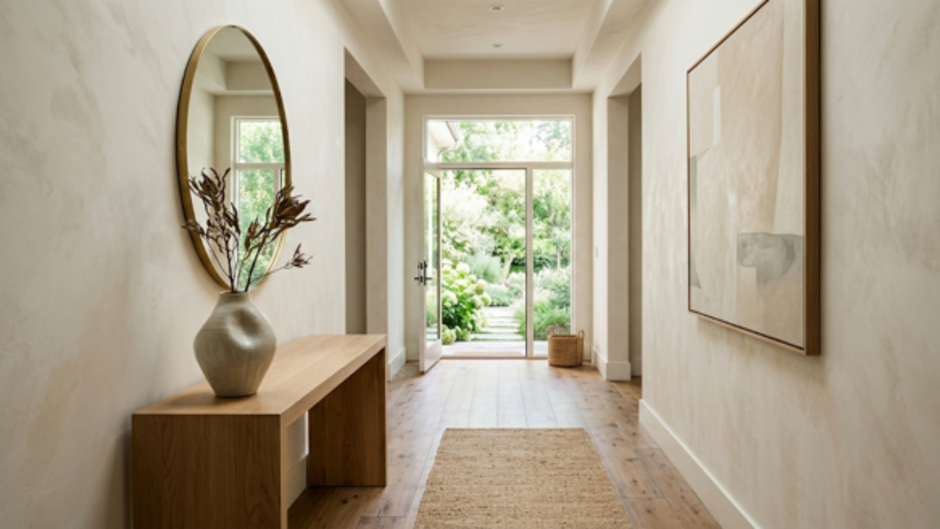
What Feng Shui actually means to me
When people hear Feng Shui they often think of superstition, or of objects placed for luck. That is not how I use it. At its heart it is the ancient practice of arranging a space so that energy can move through it freely. Strip away the mysticism and a great deal of it overlaps with what thoughtful architects already understand: where light enters, how you move from room to room, what greets you at the door, and which direction you face when you rest. Energy is simply a word for how a home lets life flow, or where it makes life stall.
The door, the path and the place you rest
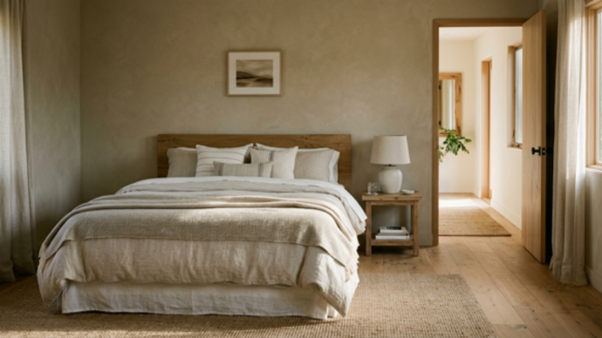
It begins at the threshold. What you see in the first few seconds of walking in sets the tone for everything after, which is why a cluttered, dim entrance quietly weighs on a whole household. The path through a home should feel like an invitation rather than an obstacle course, so the eye and the body both know where to go.
Then there are the places you rest. A bed or a favourite chair feels right when it has a solid wall behind it and a clear view of the door. It sounds small. It is not. The body relaxes when it is not subtly braced, and it braces when it cannot see what is behind it.
Where the energy gets stuck
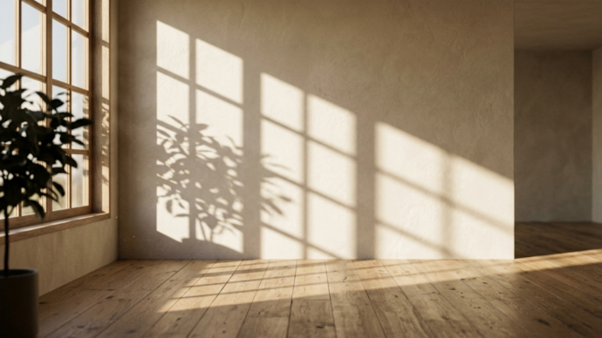
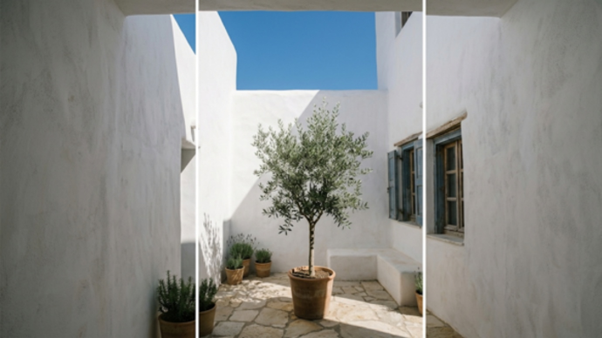
Most homes have a corner the family has quietly given up on. Often the cause is simple: clutter that blocks a path, a window smothered by heavy fabric, a sofa pushed against the flow rather than with it. The remedy is usually subtraction, not addition. I grew up partly on Rhodes, in homes built around courtyards and light, where nothing was wasted and everything had a reason for sitting where it sat. That instinct never left me. When a room feels stuck, I look first for what to take away.
Beauty, energy and function are one conversation
This is the belief King Protea Designs was built on. I do not accept that you must choose between a home that is beautiful, a home that works and a home that feels good to be in. Done with care, they are the same decision made three times over. A well-placed window is gorgeous, it is energy-efficient, and it lets light move the way a body wants it to. The drawing and the feeling are not in competition. They are describing the same thing.
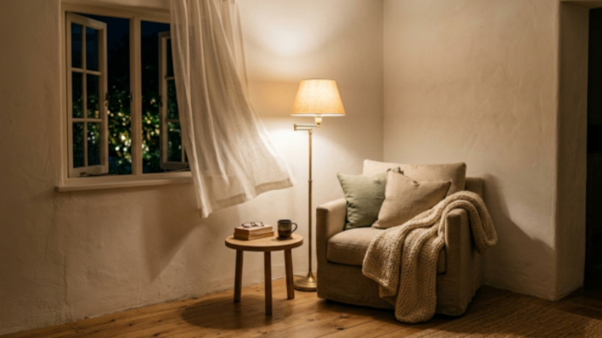
So when a client tells me a room feels heavy, I no longer reach first for the tape measure. I stand in the doorway, and I pay attention to what the space is already trying to tell me. The home knows before you do. My job is to listen to it, and then to help it breathe.
Julie Chrisopoulos, Founder, King Protea Designs